OpenSimWorld is the directory of 3D Virtual Worlds based on OpenSimulator and connected through the HyperGrid. Learn More

New Members
Oliverould, Roken, Usanexapro65, Old Gmail, Triplecl1ck, Oriolator, OutworldzOfficial, EmmaStoned, NexVerse, Yana_Dakota_Author, MiaAraBella, EcTeTkA, SpykerXenno, Laeliarainbow, Magick Caudron, Isabelle_Jeannette, OberonDiastima, Jackkelso, DreamFantasy, Pvausasmm166Likes

Mastering the Rhythm of Geometric Chaos: Your Guide to Geometry Jump Games
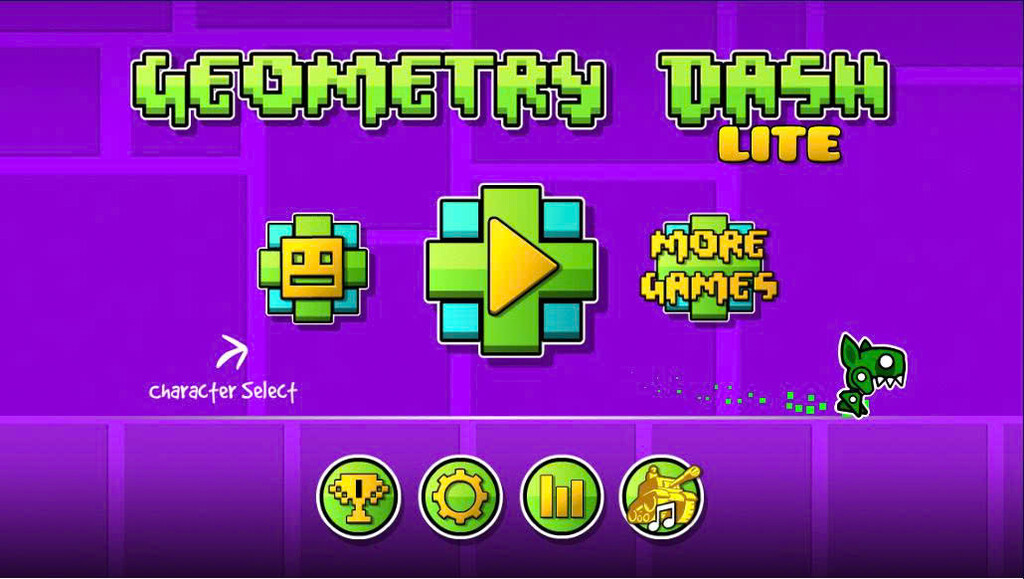
There's something oddly satisfying about watching a simple geometric cube bounce perfectly through a series of obstacles, each movement timed to a pulsing beat. Geometry jump games have become a phenomenon for a reason—they're deceptively simple on the surface but incredibly challenging once you dive in. If you've ever felt that rush of adrenaline landing a precise jump at the exact right moment, or the frustration of failing just before the finish line, you know exactly what makes this genre so addictive. Let's explore what makes these games tick and how you can get better at experiencing the magic yourself. At their heart, geometry jump games like Geometry Dash operate on a straightforward principle: tap, click, or hold a button to make your character jump. Sounds simple, right? The complexity emerges from the level design itself. Your geometric protagonist—usually a cube, though it might transform into other shapes—needs to navigate through increasingly intricate obstacle courses. The key is that every jump is tied to the music. The beat of the soundtrack becomes your rhythm, your guide, your lifeline. In Geometry Dash, you control a cube that automatically moves forward at a constant speed. Your only job is to make it jump at the right moments to avoid spikes, gaps, moving platforms, and all manner of geometric hazards. But here's where it gets clever: the level design is synchronized with the music so precisely that the obstacles essentially "dance" along with the beat. This isn't accidental—it's the brilliance behind the game. When you nail a series of jumps in perfect timing with the music, it feels less like gaming and more like performing. What makes geometry jump games special is how they blend action, music, and pattern recognition. As you progress through levels, you're not just reacting to obstacles; you're learning choreography. The first time you encounter a level, it feels chaotic and overwhelming. But once you play it a few times, muscle memory kicks in, and you start anticipating movements. This is where the real satisfaction lives—that moment when your fingers know exactly when to tap without your brain having to consciously think about it. The difficulty progression is another strength of well-designed geometry jump experiences. Early levels ease you into the mechanics with simple jumps and straightforward patterns. But gradually, the game introduces new elements: rotating platforms, portals that shrink or enlarge your character, spikes that require pixel-perfect timing, and sections that demand rapid-fire jumps. Each new mechanic feels fresh and maintains that sense of discovery. You're constantly learning something new, even when you're stuck on the same level for your tenth attempt. Develop Your Rhythm The biggest mistake beginners make is trying to treat geometry jump games like traditional platformers. This isn't about reflexes alone—it's about rhythm. Listen to the music. Feel the beat. Your brain will naturally synchronize your button presses with the audio once you stop fighting it and start flowing with it. Start with Easy Levels Never feel ashamed of playing easier levels repeatedly. Completed levels have a purpose beyond victory: they help you understand how the game thinks, how obstacle placement works, and how your character responds to input. Speed comes naturally once you're confident with the basics. Break Difficult Sections Into Chunks When you hit a wall on a challenging level, don't focus on completing the entire thing. Instead, identify the hardest section and practice just that part. Most games let you restart from checkpoints, which is invaluable. Master the difficult bits in isolation, then string everything together. Stay Patient With Yourself Geometry jump games are deliberately difficult. You will fail. You will fail a lot. The first time you complete a medium-difficulty level might take fifty attempts or more. This is completely normal. Each failure teaches your brain something about timing and positioning. Progress might feel slow, but it's happening. Watch, Learn, and Experiment If you're stuck, watch how experienced players handle that section. Don't copy their inputs blindly, but understand the approach. Sometimes it's not about being faster—it's about being smoother or taking a slightly different path through an obstacle. What keeps players coming back to geometry jump games is this perfect storm of elements: the satisfying audio-visual feedback, the sense of progression, the community of players sharing custom levels and tips, and that endless pursuit of perfect runs. There's always a harder level to conquer, always a better time to achieve, always room to improve. The beauty is that you can play at your own pace. Whether you're chasing high scores, collecting achievements, or simply enjoying the artistry of well-designed levels, there's something here for you. It's not about showing off or proving superiority—it's about personal growth and the quiet satisfaction of getting better at something you enjoy. Geometry jump games represent something special in gaming: the marriage of music, precision, and creativity. They're challenging enough to demand respect but accessible enough that anyone can start playing and experience moments of pure flow. The genre has proven remarkably enduring because it taps into something fundamental—our desire to synchronize with rhythm, overcome obstacles, and experience that rush of accomplishment. If you haven't experienced a geometry jump game yet, now's the perfect time to jump in. Embrace the learning curve, trust the process, and allow yourself to enjoy the journey. The obstacles aren't there to frustrate you—they're there to make success feel genuinely earned. That's what makes these geometric adventures worth playing. So take the leap. Your next favorite game might be waiting right around the corner.Understanding the Core Mechanics
The Gameplay Experience: More Than Just Jumping
Practical Tips to Improve Your Game
The Broader Appeal: Why People Keep Playing
Final Thoughts: Jump Into the Experience
Comments
No comments yet