OpenSimWorld is the directory of 3D Virtual Worlds based on OpenSimulator and connected through the HyperGrid. Learn More

New Members
Engelchen, SaraDaramis, RogueVision, LesLong, Gonzalob333, Sylvio96, TomSaytom, MizuNao, Kirsteen, AfterLife, Zafiro2sweet, KrysNotorious, Kiran, Biacarter, Hermine, VeronicaR, PuckRickenbacker, Caremel225, ManiVarinsdottir, RiahXLikes
Terrifying Escape Adventure Inside the Dark World of Granny
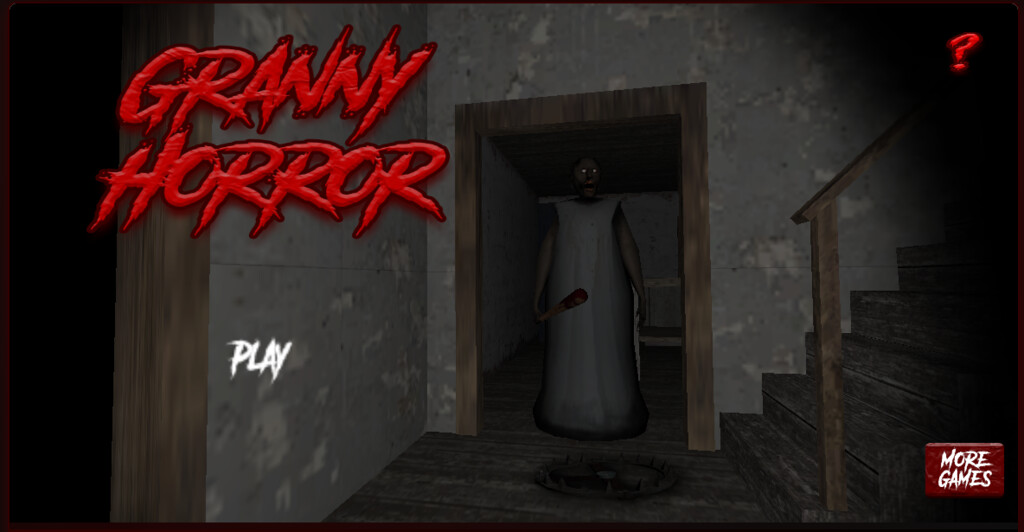
Introduction to the Horror Experience of Granny
Granny is a survival horror game that has captured the attention of millions of players around the world. The game creates a tense atmosphere through simple mechanics, dark environments, and constant danger. Players wake up inside a locked house and must find a way to escape before time runs out. The experience becomes intense because a terrifying figure called Granny patrols the building and reacts to every sound.
Unlike many complex horror games, Granny relies on minimalistic design and psychological tension. Every creaking floorboard, dropped object, or opened door can attract danger. This design keeps players alert at every moment. The main objective is simple: escape the house within five days. However, achieving that objective requires careful exploration, puzzle solving, and strategic movement.
The popularity of Granny comes from the balance between fear and curiosity. Each room hides secrets, tools, or clues that help progress toward freedom. At the same time, every corner may lead to a sudden encounter with Granny.
Gameplay Mechanics and Core Objectives
Exploring a Dangerous House
The setting of Granny takes place inside a large and mysterious house filled with locked doors, hidden passages, and useful items. Players begin in a small bedroom and must explore different areas such as hallways, basements, attics, and storage rooms. Each location provides new clues that help unlock escape routes.
The house acts like a puzzle environment. Keys, tools, and special objects appear in different locations each time the game begins. This random placement increases replay value because every playthrough requires new strategies and exploration paths.
Movement inside the house must remain slow and careful. Running or making noise increases the risk of detection. The tension grows as players attempt to search drawers, cabinets, and secret compartments while avoiding attention.
The Five Day Survival Challenge
The game structure revolves around a five day survival system. Each time Granny catches the player, a day ends and the player wakes up again in the bedroom. Losing all five days results in a game over.
This system creates pressure and urgency. Players must learn the layout of the house quickly and collect necessary items before time runs out. Every mistake reduces the chances of success.
The escape process usually requires several steps. Players may need to find keys, repair mechanical devices, unlock doors, and deactivate traps. Completing these steps within five days forms the core challenge of the game.
The Role of Sound and Stealth
Sound Detection Mechanics
One of the most important mechanics in Granny involves sound detection. Granny reacts instantly to loud noises inside the house. Dropping objects, stepping on traps, or knocking over items alerts the enemy and reveals the location of the player.
This feature encourages slow and strategic gameplay. Players must crouch, move quietly, and avoid unnecessary actions. Even opening certain doors too quickly can create enough sound to attract danger.
Sound design enhances immersion. The silence of empty corridors suddenly breaks when footsteps approach. This moment creates intense fear and forces players to hide quickly.
Hiding and Survival Strategies
Several hiding spots exist throughout the house. Beds, wardrobes, and dark corners provide temporary safety when danger appears. Choosing the correct moment to hide becomes a critical survival skill.
Players must also learn patterns of movement. Granny patrols hallways, investigates noises, and checks rooms during search behavior. Understanding these patterns helps create opportunities for exploration.
Some players use distraction strategies such as throwing objects across rooms. This tactic draws Granny away from important areas and allows safe movement toward locked doors or hidden tools.
Puzzle Elements and Escape Routes
Items and Tools Required for Escape
The house contains many useful objects that support the escape process. Keys unlock doors, tools open special mechanisms, and puzzle pieces activate hidden pathways. Players must carefully examine every drawer, shelf, and cabinet.
Important tools may include cutting devices, mechanical components, and security keys. Each object has a specific purpose. Some unlock shortcuts while others activate the final escape route.
The process of collecting items requires memory and organization. Players often leave tools in safe locations for later use. This strategy helps avoid unnecessary noise while searching again.
Multiple Escape Possibilities
Granny offers more than one way to escape the house. One common method involves repairing a vehicle located in a locked area. Another route may involve unlocking the main entrance door after collecting several special items.
These multiple solutions encourage experimentation. Players can focus on different strategies depending on the items discovered during exploration. The flexibility keeps gameplay fresh and unpredictable.
Each escape path requires several steps and careful planning. The final moments often become extremely tense as players attempt to complete the last action while danger approaches.
Atmosphere and Horror Design
Visual Environment and Dark Tone
The visual style of Granny focuses on darkness, decay, and isolation. The house interior contains worn furniture, cracked walls, and dim lighting. These elements create a feeling of abandonment and danger.
Narrow hallways and hidden rooms increase tension during exploration. Limited lighting forces players to rely on sound and memory while navigating the environment. This design makes every step feel uncertain.
The horror does not rely heavily on complex graphics. Instead, atmosphere and sound create psychological fear. The sudden appearance of Granny inside a dark hallway often creates the strongest moments of shock.
Psychological Tension in Gameplay
Granny demonstrates how simple mechanics can produce strong emotional reactions. Players constantly balance curiosity and fear while searching the house. Opening a door may reveal a useful item or immediate danger.
The slow pacing builds suspense over time. Silence inside the house often feels more frightening than direct confrontation. Players never know when footsteps will suddenly approach.
This style of horror focuses on anticipation rather than constant action. As a result, every small sound becomes meaningful and every mistake feels dangerous.
Why Granny Remains Popular Among Players
Granny continues to attract players because of accessibility and replay value. The game controls remain simple and easy to understand. At the same time, the puzzle structure and random item placement create new experiences in every playthrough.
Content creators and streamers also help maintain popularity. Watching reactions to sudden encounters and intense escape moments adds entertainment value for viewers. Many players enjoy sharing strategies and discoveries with others online.
Another factor involves short but intense gameplay sessions. A full attempt usually lasts only several minutes, which makes the game easy to replay many times. Each attempt provides new opportunities to learn the house layout and improve strategy.
Conclusion
Granny stands as a memorable survival horror experience that combines stealth, puzzle solving, and psychological tension. The simple objective of escaping a locked house becomes a thrilling challenge through careful design and unpredictable encounters.
Players must move quietly, search for hidden tools, and solve environmental puzzles while avoiding a relentless enemy. The five day system adds urgency and encourages strategic thinking. At the same time, multiple escape routes provide variety and replay value.
The dark atmosphere, sound based mechanics, and constant threat create a unique horror experience that continues to engage players around the world. Granny demonstrates that effective game design does not require complex systems. Instead, clever use of tension, exploration, and sound can deliver an unforgettable adventure filled with suspense and excitement.
Comments
No comments yet